
Bringing Order to Wildfire Chaos with “FireShield”
Elbit Systems delivers a multi-layered detection and response solution designed to stop wildfires before they spread, protecting lives, nature and critical infrastructure.
Imagine the emergency services tackling a wildfire or a catastrophic flood. If, in this picture, you see a firefighter holding a hose or a lifeguard navigating rough waters – you’re not alone.
For decades, firefighting has relied on traditional response methods, but as climate change fuels more extreme conditions, the need for smarter, technology-driven solutions has never been greater. Enter FireShield: Elbit Systems’ multi-layered wildfire detection and management system, designed to enable faster, more coordinated, and effective responses to fire disasters.
A Smarter Approach to Wildfire Management
Elbit Systems, a global experienced provider of aerial firefighting, UAS technology, and C4I systems, has combined its expertise to develop FireShield – an integrated platform that synchronizes ground and aerial firefighting efforts with real-time intelligence.
"Firefighters say you can put out any fire with just a single cup of water – if you catch it early enough," explains Shoval, director of advanced aerial firefighting solutions at Elbit Systems.
"FireShield is built on that principle, combining early detection with real-time situational awareness to stop fires before they escalate."
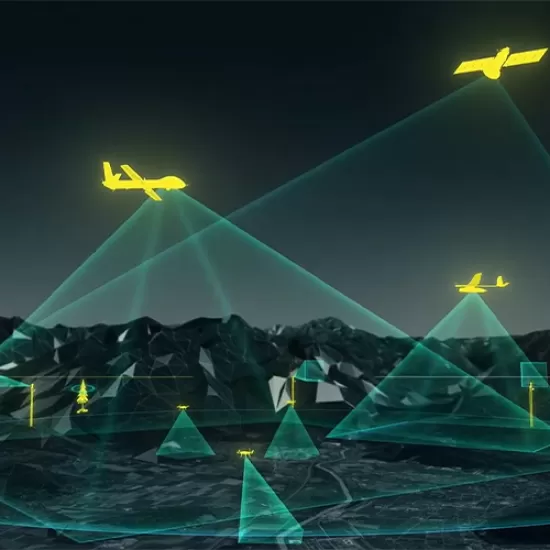
The system employs a multi-tiered detection process, gathering data from ground-based and aerial sensors, including advanced smoke detectors, thermal imaging cameras, and airborne platform surveillance. Once smoke or fire is detected, drones or an airborne platform equipped with thermal sensors and a decision support system are deployed to verify the threat and assess its severity. These drones provide live intelligence, allowing authorities to make rapid, informed decisions.
"When a fire is detected, the system assigns an airborne platform with a thermal camera to investigate,” says Shoval. “Its flight path is guided by specialized algorithms developed by Elbit Systems’ aerospace division, ensuring rapid confirmation and reducing false alarms."
Unifying Data for Faster Decision-Making
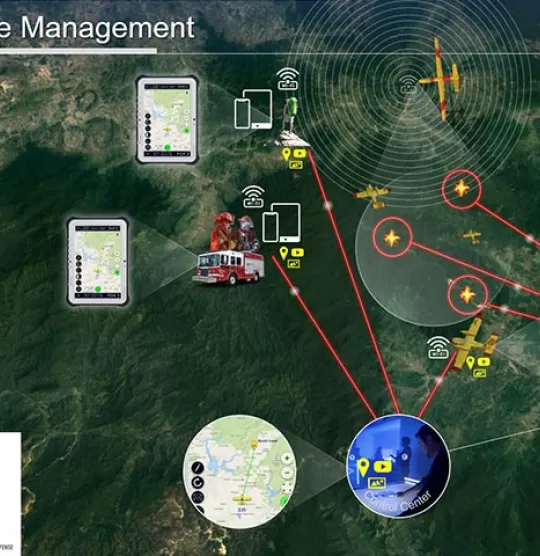
FireShield’s strength lies in its ability to integrate multiple data sources into a single, intuitive command-and-control interface. This eliminates fragmented information and ensures that all firefighting teams – on the ground and in the air – are working with the same intelligence.
"The system provides decision support system recommendations for suppression strategies," explains Shoval. "By analyzing historical data, wind patterns, and terrain conditions, FireShield predicts a fire’s movement and suggests the best course of action. This improves response efficiency and optimizes resource allocation."
Additionally, FireShield’s advanced mapping capabilities create a Common Operational Picture (COP), enabling seamless coordination between multiple emergency response agencies – an essential feature in large-scale wildfire events.
Maximizing Aerial Firefighting Capabilities
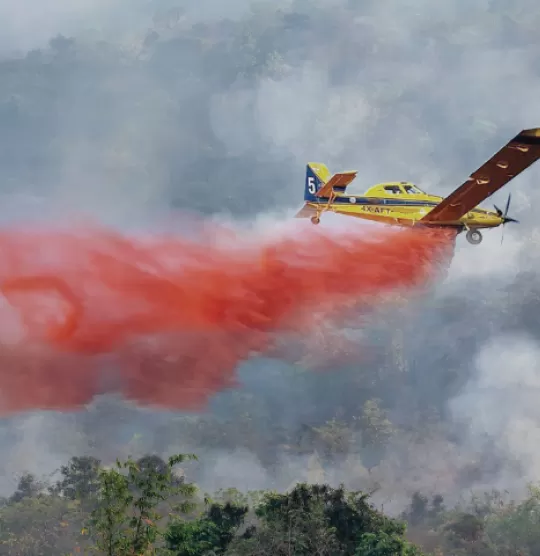
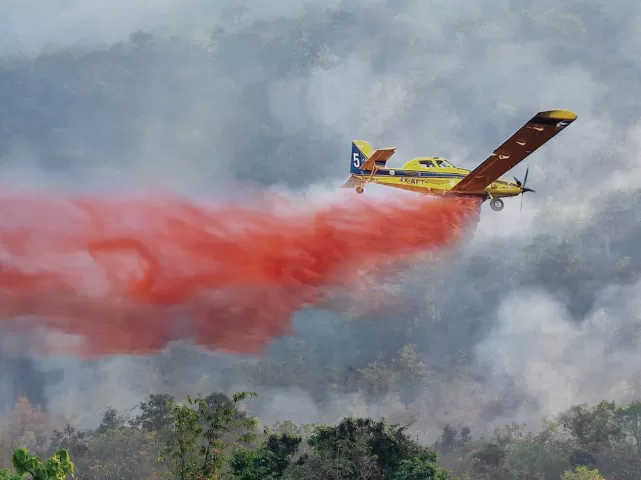
Even with early detection and predictive analytics, some fires demand immediate aerial intervention. FireShield integrates directly with Elbit Systems’ aerial firefighting capabilities, including its fleet of specialized aircrafts of different types.
"When ground teams need aerial support, FireShield coordinates real-time deployment," says Shoval. "Using low-and high-altitude detection layers with an aerial platform, the system ensures no critical detail is missed.”
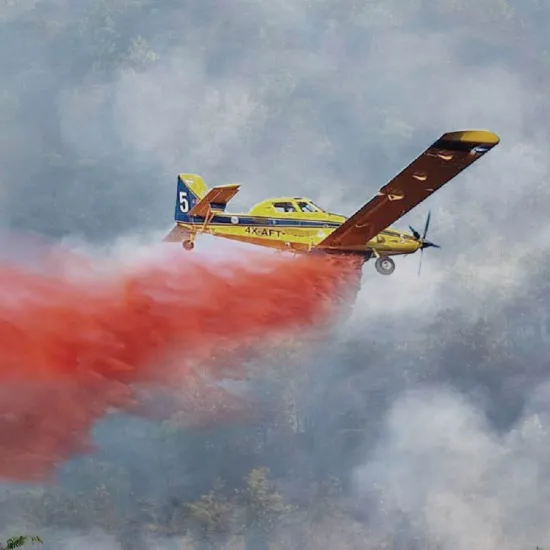
Additionally, FireShield is designed to integrate seamlessly with existing customer sensors, enhancing situational awareness and maximizing operational efficiency. When aerial suppression is needed, Elbit Systems' firefighting aircraft, equipped with precision water-drop systems, operate within the FireShield ecosystem to ensure resources are deployed effectively.
Advancing the Future of Wildfire Management
Elbit Systems continues to refine FireShield, incorporating emerging technologies that will further expand its capabilities. Satellite-based fire detection, which offers a broader perspective on wildfire threats, is one such development. "As satellite technology becomes more cost-effective, we plan to integrate it into FireShield to enhance early warning systems," Shoval notes.
With global demand for advanced wildfire management solutions rising, FireShield is gaining interest from governments and emergency response agencies. Its ability to unify intelligence, enhance coordination, and integrate both manned and unmanned assets positions it as a transformative solution in wildfire defense.
"The world’s climate is shifting rapidly, and emergency services need to adapt," Shoval concludes. " FireShield isn’t just about detection – it’s a force multiplier that changes how we fight wildfires, protecting lives, infrastructure, and natural resources worldwide."
FAQ
How can wildfires be detected before they spread?
Modern wildfire detection systems combine ground sensors, thermal imaging, drones, and aerial surveillance to identify fires at an early stage and verify threats quickly.
What is the most effective way to stop a wildfire?
The most effective approach combines early detection, rapid response, aerial firefighting, ground crews, and real-time situational awareness.
How do drones help fight wildfires?
Drones provide live thermal imagery, verify fire locations, assess severity, and support emergency teams with real-time intelligence for faster decision-making.
Can technology predict how a wildfire will spread?
Advanced wildfire management systems use weather conditions, wind patterns, terrain data, and historical information to forecast fire behavior and support response planning.
Important Notice: Certain blog articles may contain forward-looking statements and are not intended to provide business, financial, or investment information. Please review our full disclaimer here.